The Last Salmon? Reflections on the Munster Blackwater and a Vanishing Tradition
The Last Salmon? Reflections on the Munster Blackwater and a Vanishing Tradition
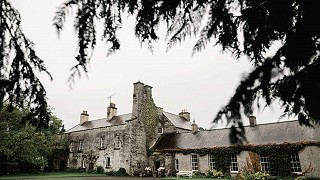
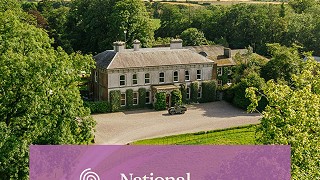
Salmon fishing has been part of life at Ballyvolane House for generations. Growing up here, the arrival of the salmon fishing season was always something to look forward to. The Munster Blackwater was once regarded as one of Ireland’s finest salmon rivers, attracting anglers from all over the world.
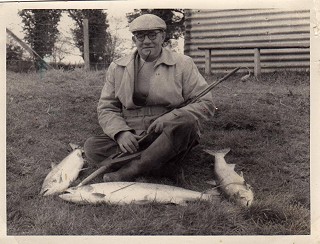
My late mother, Merrie Green, was a passionate salmon angler. Fishing was an important part of her life, and through her enthusiasm it became an integral part of our family history.
When my parents began welcoming paying guests to Ballyvolane House, salmon fishing was one of our main attractions. We operated several beats on the Blackwater, employed local ghillies and welcomed visiting anglers, many of whom returned year after year.
These visitors stayed for several nights, sometimes longer, enjoying not only the fishing but also the hospitality, landscape and traditions of the Blackwater Valley. Their visits supported local ghillies, tackle suppliers, pubs, restaurants and accommodation providers.
It was a wonderful example of rural tourism working in harmony with our natural heritage.
A River That Has Changed Beyond Recognition
Sadly, over the past twenty years, wild Atlantic salmon stocks have declined so dramatically that the angling tourism business we once knew has virtually disappeared.
Today, we can no longer rely on salmon fishing to attract guests to Ballyvolane House. The decline has affected not just our business but an entire network of people and communities whose livelihoods were once connected to the river.
And the Munster Blackwater is far from alone. Across Ireland, once-famous salmon rivers have experienced similarly worrying declines.
For those of us who remember these rivers in better times, the loss is deeply saddening.
What Has Happened to Our Salmon?
There is no single explanation for the decline of wild Atlantic salmon.
Changing ocean conditions and poor survival at sea are major factors. Closer to home, water quality, habitat degradation, pollution, barriers to migration and the impacts of salmon farming are placing additional pressures on already vulnerable populations.
Increasingly hot summers and prolonged periods of low river flows also present new challenges, particularly for salmon returning through our estuaries.
The problems are complex, but the need for action is clear.
Professor Ken Whelan’s recent contribution to The Last Salmon podcast is particularly thought-provoking, highlighting the importance of understanding what happens to salmon during their time at sea, as well as protecting the rivers to which they return.
Looking to the Future
I would dearly love to see healthy wild salmon populations return to the Munster Blackwater and a thriving angling industry once again supporting the rural economy.
Achieving this will require more than simply regulating fishing. We need a properly funded, coordinated programme to restore river habitats, improve water quality, protect estuaries and better understand the challenges salmon face in the North Atlantic.
Healthy rivers support far more than salmon. They are essential to biodiversity, wildlife, rural communities and the remarkable natural heritage we have inherited.
My mother would be heartbroken to see how far salmon fishing on the Blackwater has declined. I sincerely hope that future generations will once again have the opportunity to experience the excitement of seeing wild Atlantic salmon returning to our rivers in abundance.
Have Your Say
The Government is currently consulting on proposals for the future management of Ireland’s wild Atlantic salmon fisheries from 2027 onwards.
I have made a personal submission drawing on our family’s experience at Ballyvolane House and the impact that salmon decline has had on angling tourism in the Munster Blackwater Valley.
Whatever our individual views on fishing regulations, I hope we can agree on the importance of restoring healthy wild salmon populations for future generations.
I would encourage anyone with an interest in our rivers, fisheries, biodiversity or natural heritage to contribute.
The consultation closes at 5:30pm on Friday, 30 October 2026.
- Click here to read the Government consultation and find out how to make a submission.